In 1980, a young and still single Prince Charles visited the Taj Mahal during a tour of India. Standing before the white marble tomb, built by the Mughal emperor Shah Jahan in memory of his beloved wife, Charles reportedly said that one day he would like to bring his own wife to see it.
Twelve years later, in February 1992, Charles and Diana arrived in India on an official tour. By then, rumours about their marriage were everywhere. The press watched every glance and every gesture.
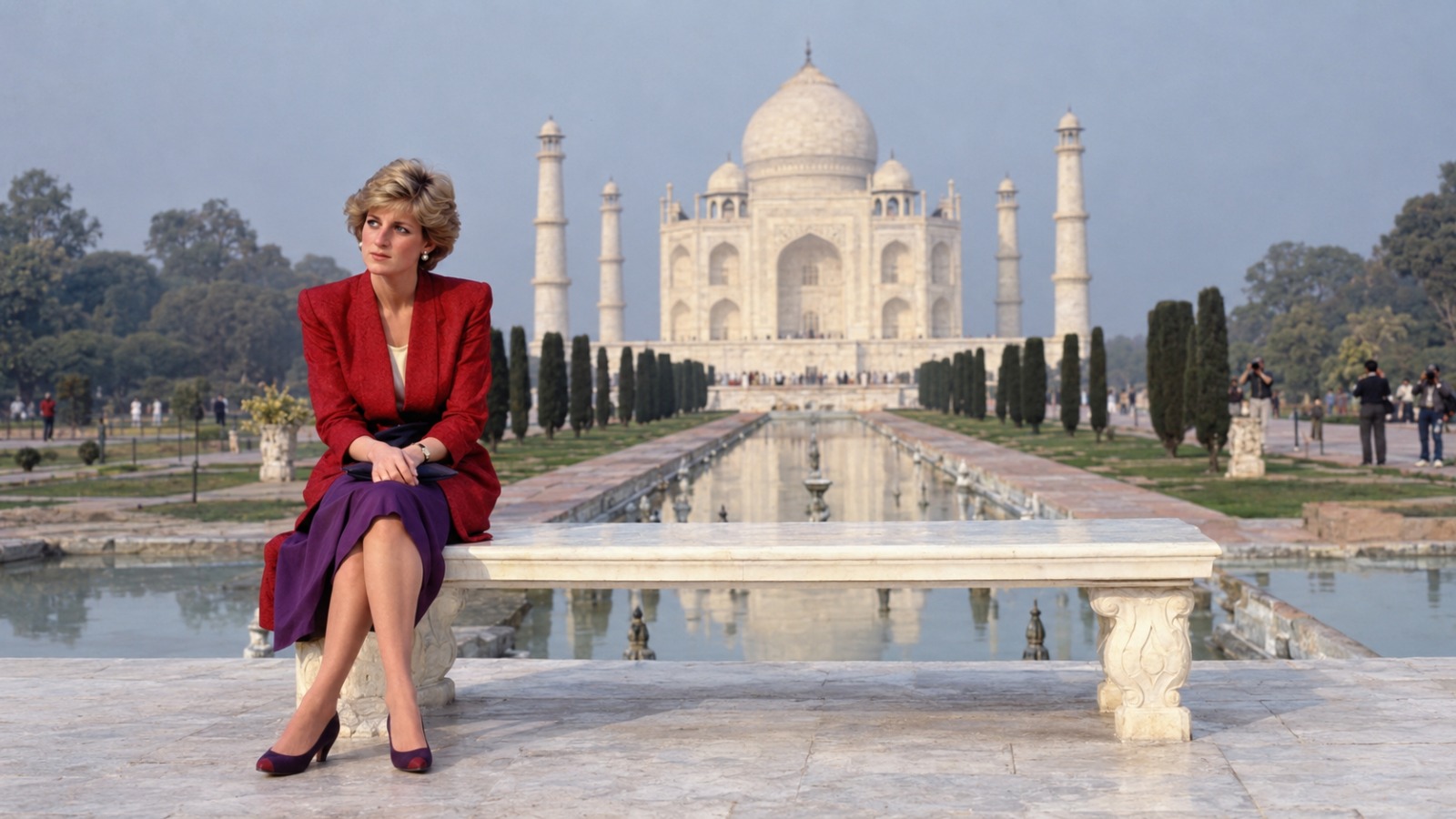
On 11 February, Diana visited the Taj Mahal. Charles did not. He was hundreds of miles away in Bangalore at a business engagement. Diana sat alone on a marble bench in front of the monument, looking quietly into the distance while photographers captured the moment.
The image went around the world within hours. To many, it said what no palace statement ever would: the fairy-tale marriage was in serious trouble.
When reporters asked how she felt about the visit, Diana’s reply was brief. She called it a healing experience, and added that they could work that one out for themselves.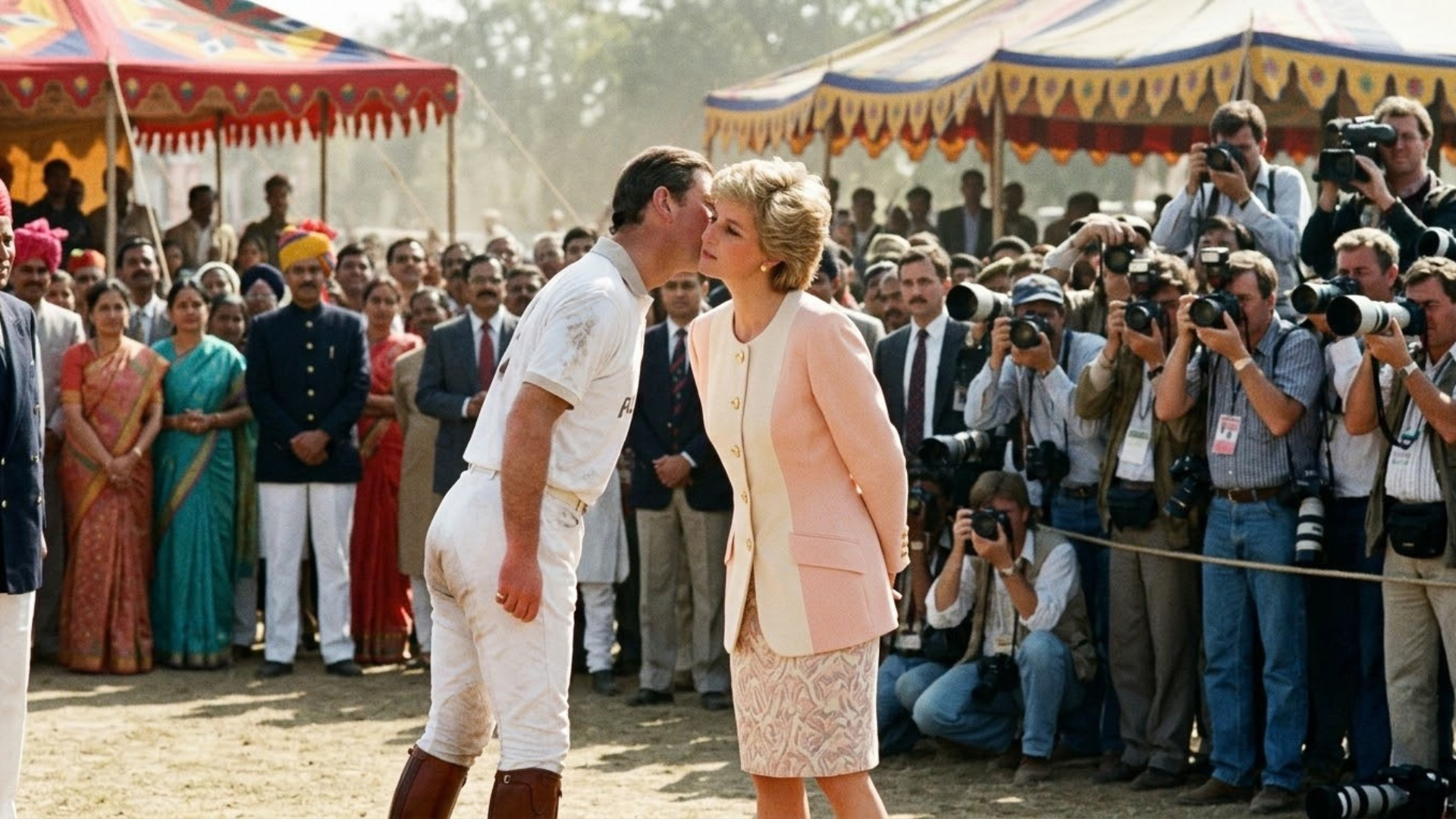
Days later, at a polo match in Jaipur, Charles leaned in to kiss his wife after the prize-giving. Diana turned her head at the last moment, and the kiss landed awkwardly near her ear. The cameras caught that moment too.
For the photographers following the tour, the two images told a single story. Charles and Diana were together on paper, but apart in every picture that mattered.
On 9 December 1992, Prime Minister John Major told the House of Commons that the Prince and Princess of Wales were to separate. Looking back, the lonely photograph at the Taj Mahal had been a preview of the announcement.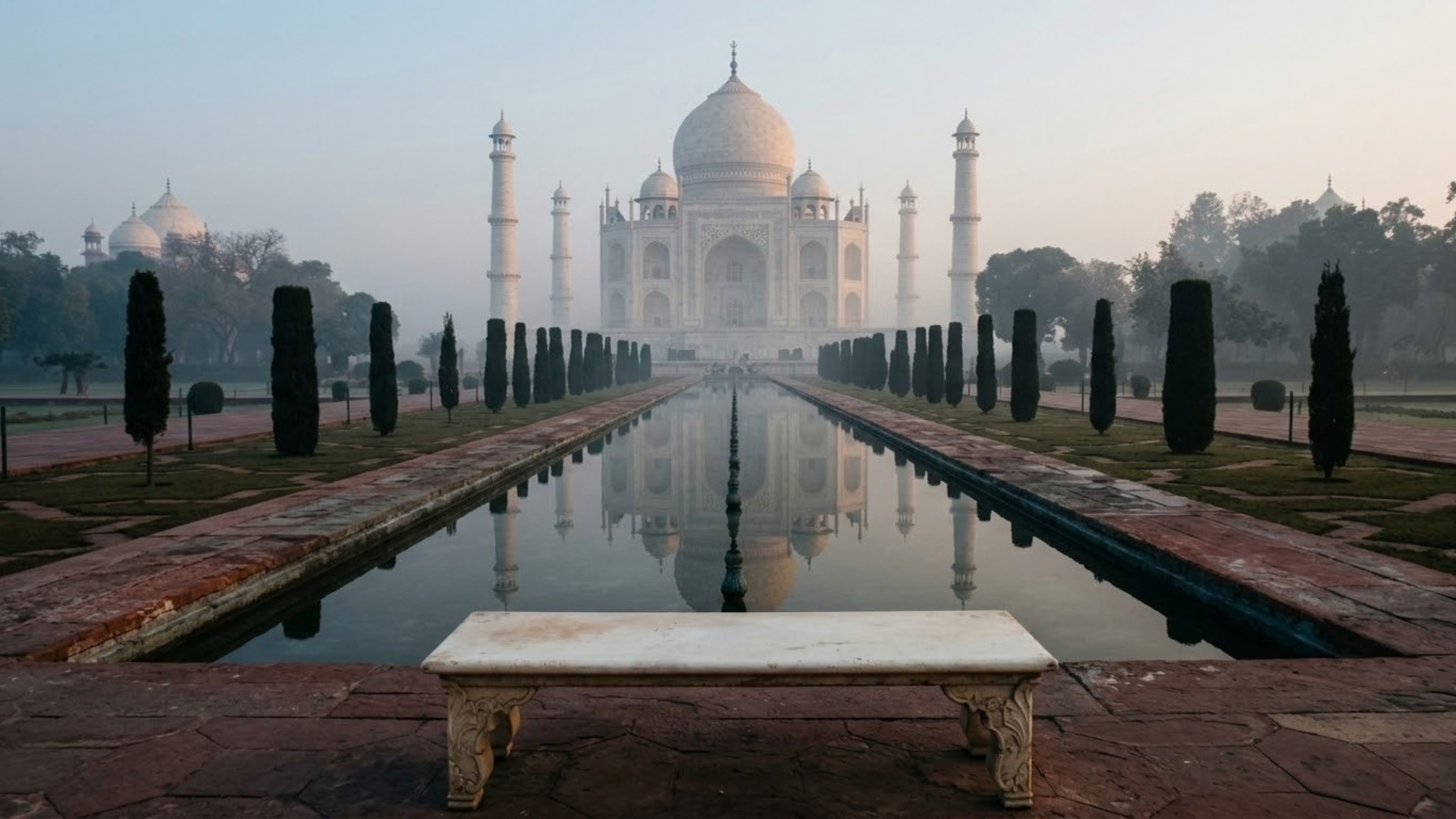
Today the marble seat is often called Diana’s bench. Visitors from around the world, including many from Britain, still sit there and recreate the photograph. Some even pose deliberately alone, in tribute to the princess.
It remains one of the most famous royal photographs ever taken: a picture that told the story of a marriage without a single word.