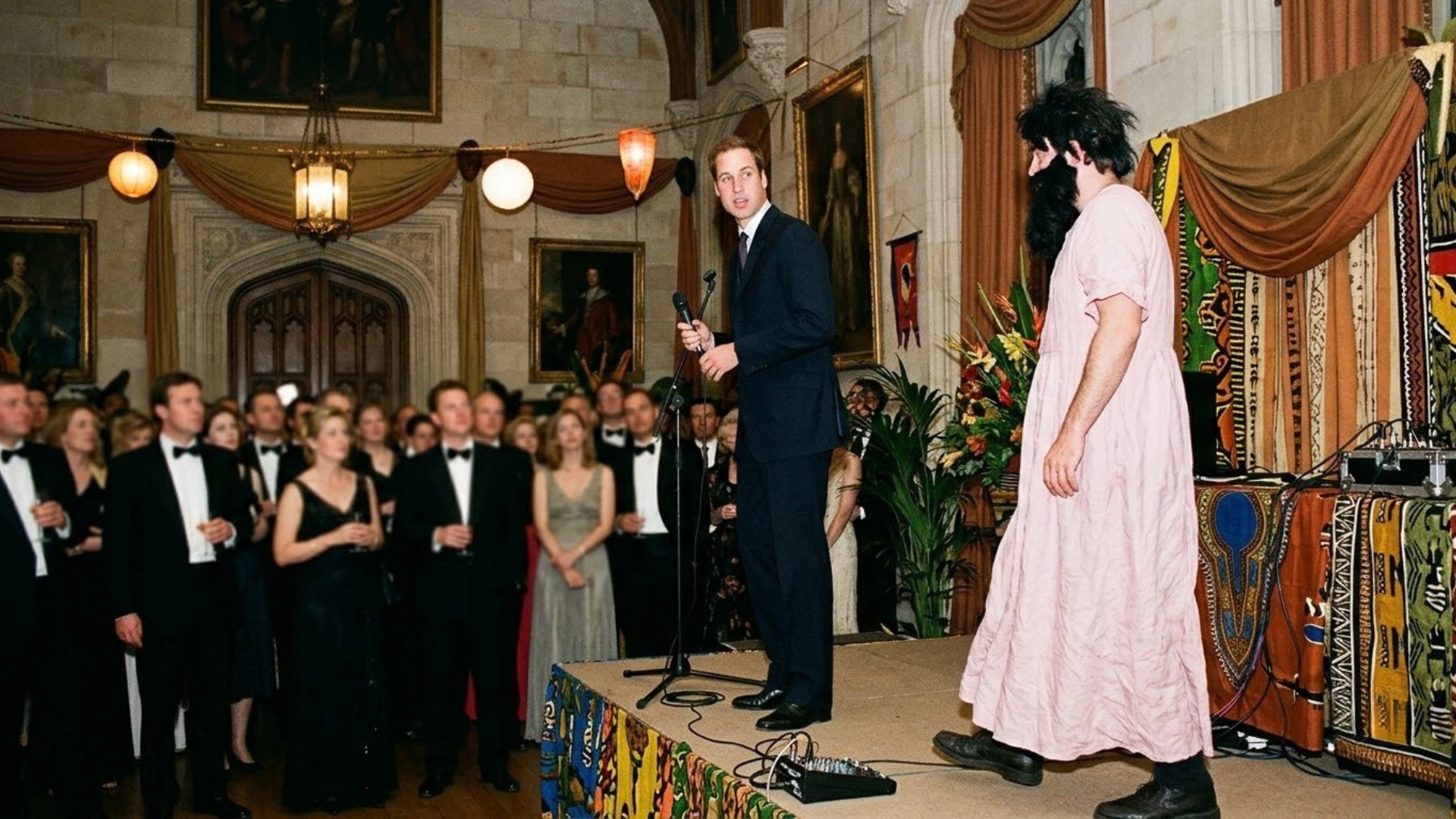
In June 2003, Prince William turned 21. To celebrate, the Queen hosted a party for him at Windsor Castle. The theme was Out of Africa, reflecting William’s love of the continent, and around 300 guests were invited, including family, friends and well-known figures.
Windsor Castle is one of the most heavily protected buildings in Britain. Armed police guard its walls, and royal protection officers stay close to senior members of the family. Yet on the night of 21 June, one uninvited man walked straight in.
His name was Aaron Barschak, and he described himself as a comedy terrorist. Dressed in a false beard and a long pink dress, in a costume many said was meant to mock Osama bin Laden, he reportedly climbed a wall and made his way into the castle grounds.
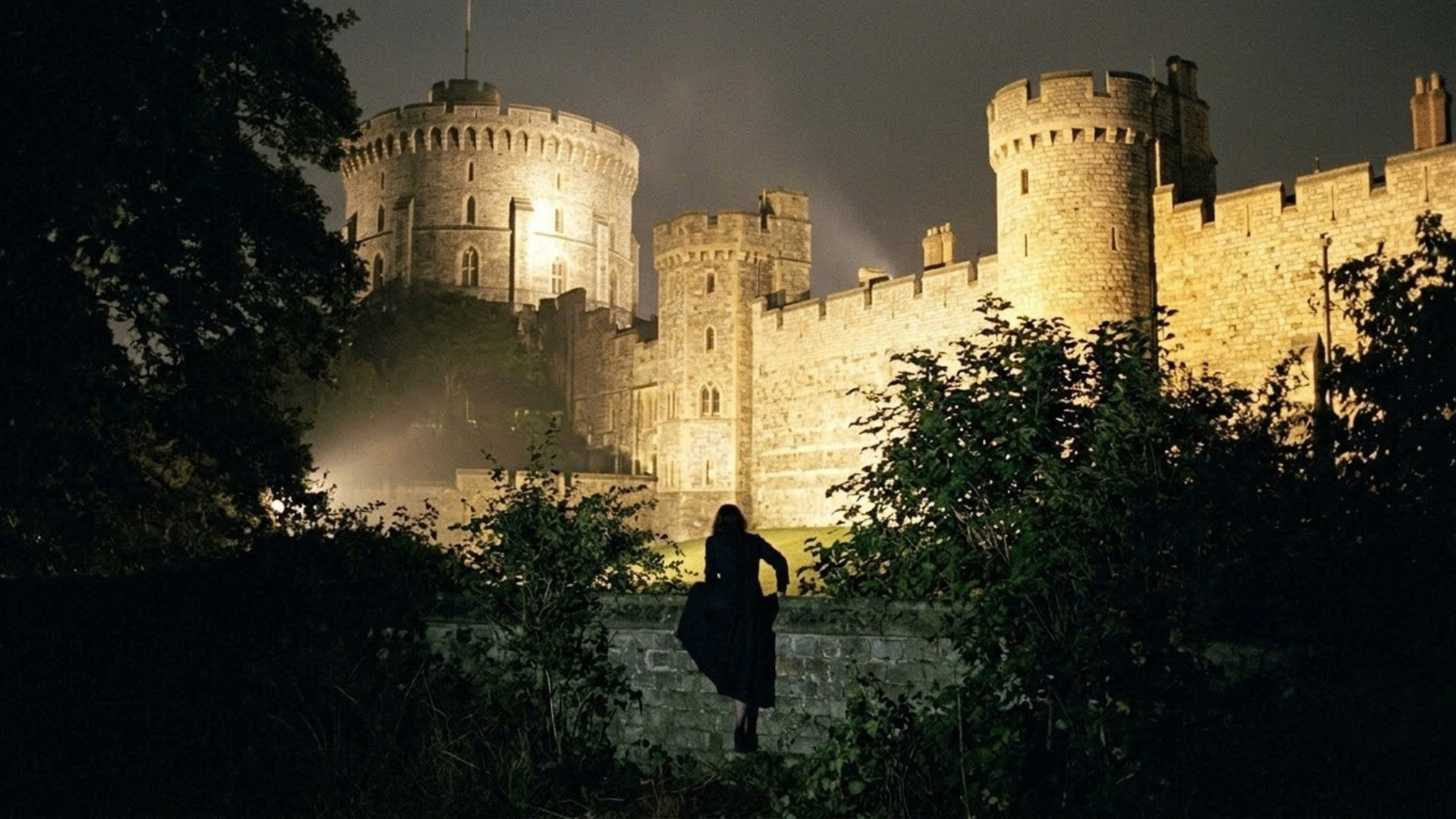
Incredibly, nobody stopped him. He walked into the party and mingled with the guests, many of whom assumed he was simply wearing a fancy-dress costume.
Then, as William began a speech to thank his guests, Barschak walked onto the stage. He took the microphone, kissed the prince on both cheeks and spoke briefly before royal protection officers finally stepped in and led him away. William was unharmed, but the shock in the room was obvious.
The story made headlines around the world. If a man in a dress could reach the second in line to the throne at a private party inside Windsor Castle, many asked, what could a real attacker do?
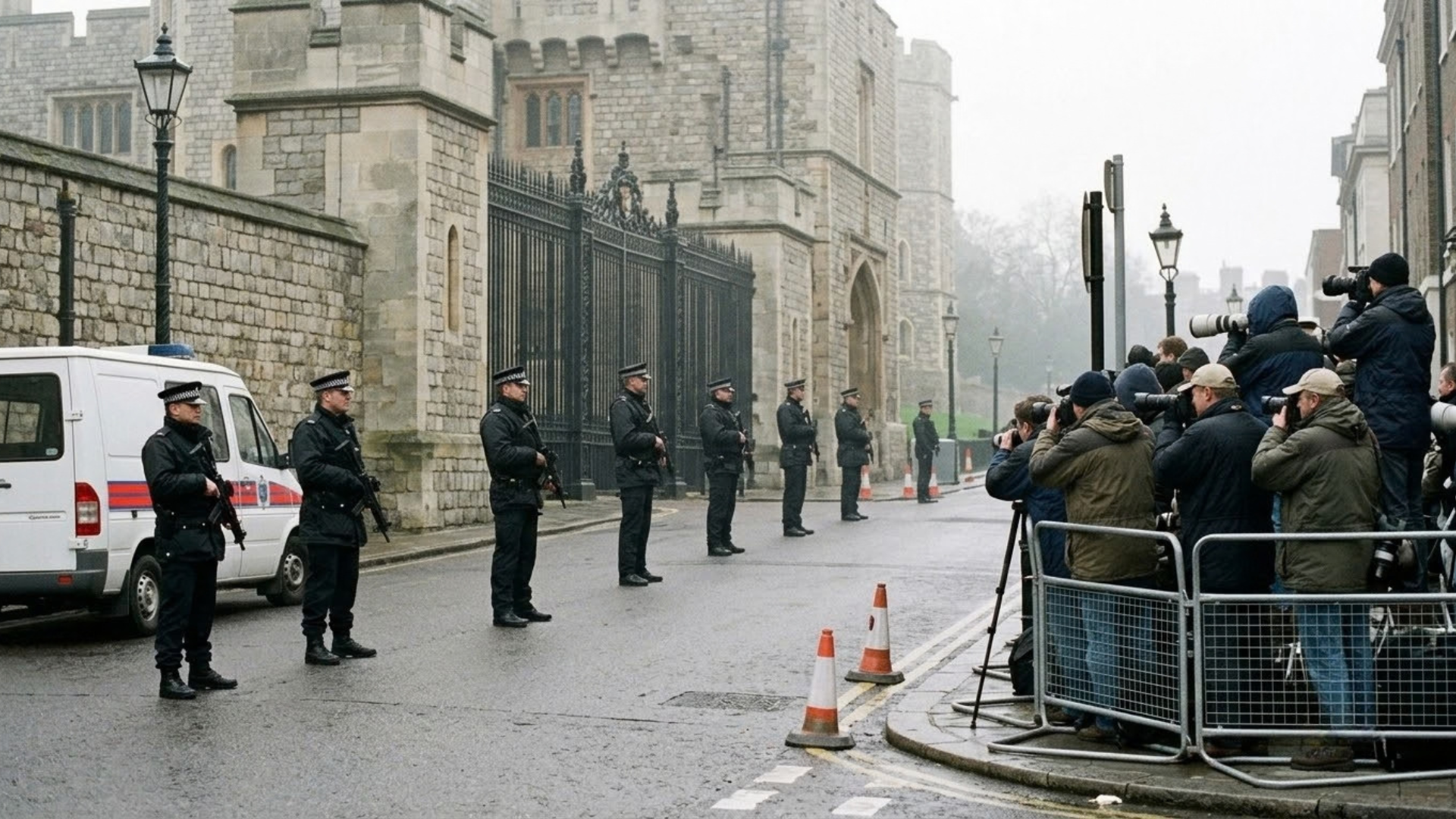
Barschak was arrested. The police launched an urgent review of royal security, and senior officers admitted there had been serious failings. Several officers were reportedly disciplined, and security at royal residences was tightened.
The incident became one of a series of embarrassing royal security breaches, alongside the intruder who reached the Queen’s bedroom in 1982.
For William, it was a strange and unsettling end to a celebration meant to mark his coming of age. For the police, it was a lesson they would never forget.